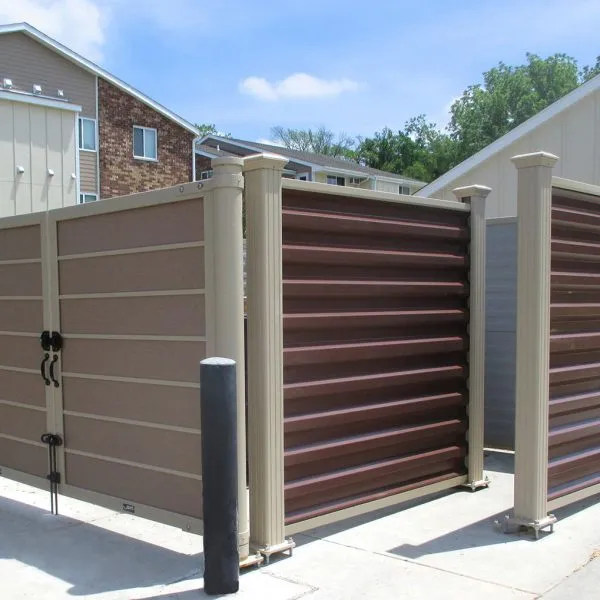
California law presumes that neighbors benefit equally from a fence on their shared boundary and are equally responsible for the reasonable cost of building, maintaining or replacing it. This is Civil Code section 841, known as the Good Neighbor Fence Act. The owners can agree in writing to a different split.
This page is general information, not legal advice. For a dispute, speak with a lawyer or your city.
Does my neighbor have to pay for half of a new fence?
That is the starting presumption for a boundary fence, but you have to follow the steps. Under section 841, an owner who wants the neighbor to share the cost must give 30 days of written notice first. The notice must mention the presumption of equal responsibility and describe the problem, the proposed solution, the estimated cost, the proposed cost split and the timeline. Without that notice the neighbor does not have to pay for half. A court may also reduce or cancel a share where an equal split would be unjust, for instance where the cost is far greater than the benefit to one owner or would cause that owner undue financial hardship.
Who owns the fence between two properties?
If the fence stands entirely on one lot, the owner of that lot owns it. If it stands on the boundary, section 841 treats it as benefiting both sides. The same goes for the block walls that divide so many Los Angeles back yards. If you do not know which case is yours, a survey will show where the fence or wall sits relative to the line.
Can my neighbor put up a fence without asking me?
On their own property, generally they can, provided it follows the city's height and permit rules. They cannot build without asking me and afterward bill me for half, because section 841 requires the 30-day written notice before costs are shared. A fence that unnecessarily exceeds 10 feet and was built out of malice to annoy a neighbor is a private nuisance under Civil Code section 841.4.
A survey shows the fence is on the wrong side of the line. Now what?
Talk to the neighbor first. The fence can be moved to the true line, or the two of you can agree in writing to leave it. A fence or wall that has been off the line for many years can raise legal questions about the strip of land, so see a real estate lawyer before you sign anything. When the survey shows the fence has to move, we can rebuild it on the surveyed line.
The contractor built my new fence over the property line. Who fixes it?
The contractor should, when they picked the line or built past the survey stakes. Send a written request that they move it at their expense. Your position is weaker if you told them where to put it. That is why a good estimate states where the fence will stand and who located the boundary. When a licensed contractor refuses to correct the work, you can file a complaint with the Contractors State License Board.
My neighbor and I agreed to split a new fence. How does the billing work?
Put it in writing before work starts: where the fence goes, what it is made of, how tall, the total price and each owner's share. A signed agreement takes the place of the equal split the statute presumes. We can lay out the estimate with the shared run and each share shown on separate lines.
The house next door is a rental and I cannot reach the owner. Can I build on my side?
You can. A fence built wholly on your own land needs the city's approval where required, not the neighbor's. Get the line marked first. To ask the owner to share the cost of a boundary fence, mail the 30-day written notice to the owner's address on record and keep a copy.
The old fence on our side is rotted and the neighbor will not pay. Can I take it down and rebuild?
A fence on your own land is yours to take down and rebuild. For a boundary fence, send the 30-day written notice under section 841 before removing it, even when you expect a refusal. If the neighbor still will not pay a share you think is owed, small claims court is where most people take it. The court's self-help center or a lawyer can walk you through that.
My neighbor's tree roots are lifting our fence. Who handles that?
Get an arborist to look at the roots and a fence contractor to deal with the fence. Nobody should cut big roots until the arborist has seen them. Cutting can kill or destabilize the tree, and then the tree becomes the dispute. Often we can space two posts wider and bridge over the root.
A business next door stacks material against my chain link fence and it is bending. Can it be reinforced?
Somewhat. We can add heavier posts, a bottom rail or a tension wire on your side. Chain link is still a fence and not a retaining wall, so it will go on bending while the load is there. Ask the owner in writing to move the material, and if it stays, report it to your city's code enforcement office.
We can only give a real price after seeing the fence line. The estimate is free. Call (310) 361-5119 or text us a photo of the yard.